Australian Shepherds vs. Other Herding Breeds: Key Differences and Similarities


Australian Shepherds are a popular choice among dog lovers, especially those interested in herding breeds. While they share many characteristics with other herding dogs, they also have unique traits that set them apart. Understanding these differences can help potential owners make informed decisions.
Origin and History
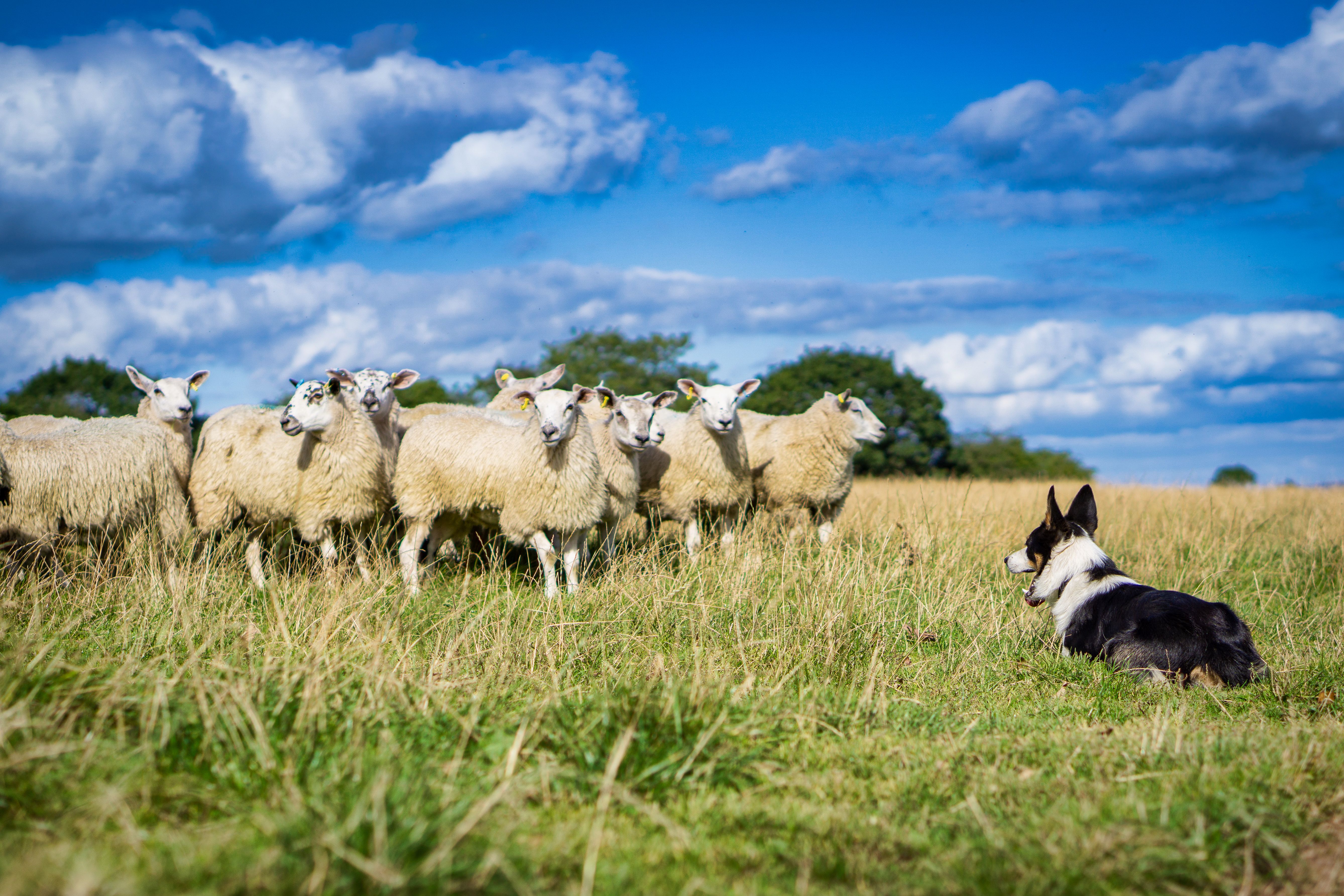
Australian Shepherds, despite their name, were developed in the United States. They were bred to herd livestock and are known for their intelligence and versatility. In contrast, breeds like the Border Collie originated in the border regions of Scotland and England, primarily for herding sheep.
Other herding breeds, such as the German Shepherd, have origins linked to Germany and were initially used for both herding and guarding. Each breed was developed with specific herding tasks in mind, which influences their behavior and skills today.
Physical Characteristics
Australian Shepherds are medium-sized dogs with a strong, agile build. They have a distinctive coat that can be a variety of colors, including blue merle, black, red merle, and red. Their eyes are often striking, with colors ranging from blue to amber.
Compared to other herding breeds, such as the smaller Shetland Sheepdog, Australian Shepherds are more robust. The German Shepherd, on the other hand, is larger and more powerful, often used in roles beyond herding, such as police and service work.
Coat and Grooming
Australian Shepherds have a double coat that requires regular grooming to prevent matting. This is similar to other herding breeds like the Collie, which also has a dense coat. Regular brushing is essential for all herding breeds to maintain a healthy coat and minimize shedding.

Temperament and Behavior
Australian Shepherds are known for their intelligence and eagerness to work. They thrive on physical activity and mental stimulation. This is a common trait among herding breeds, such as the Border Collie, known for its exceptional problem-solving skills and energy levels.
However, breeds like the Old English Sheepdog can be more laid-back, although they still require regular exercise. Socialization and training are crucial for all herding dogs to prevent them from becoming bored or developing behavioral issues.
Training and Exercise Needs
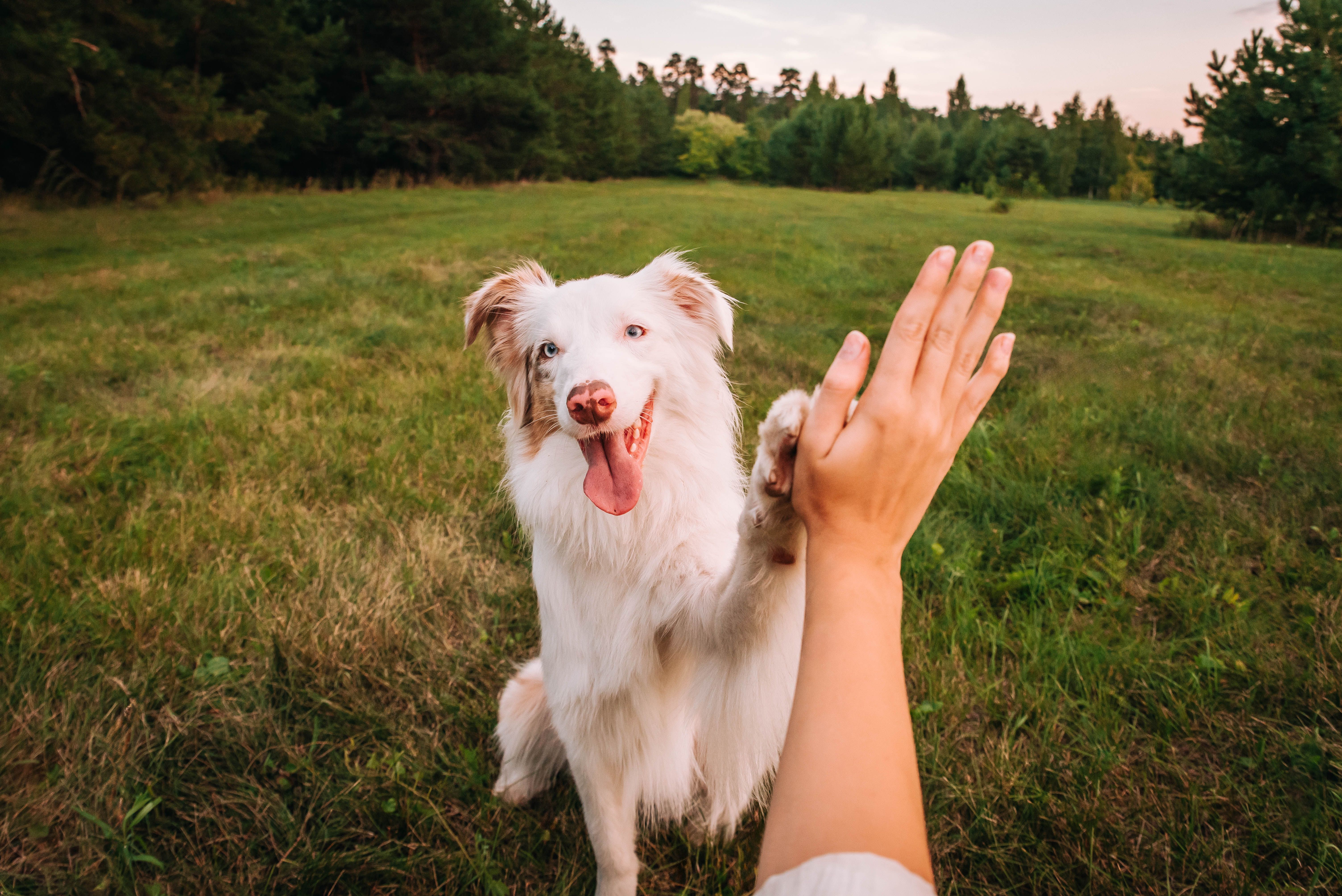
Due to their high intelligence, Australian Shepherds are highly trainable and excel in obedience training, agility, and other canine sports. This is a trait shared with many herding breeds, which are often quick learners and eager to please.
These dogs require a significant amount of exercise to keep them happy and healthy. Daily walks, play sessions, and training exercises are essential. Other herding breeds, such as the Belgian Malinois, have similar exercise requirements and also benefit from structured activities.
Health Considerations
Australian Shepherds are generally healthy dogs but can be prone to certain genetic conditions, such as hip dysplasia and eye problems. Regular veterinary check-ups and a healthy diet can help manage these risks.
Other herding breeds may have their own health concerns. For instance, German Shepherds can be prone to hip and elbow dysplasia, while Border Collies may be at risk for epilepsy. Being aware of these potential issues can help owners provide the best care.

Choosing the Right Herding Breed
When deciding on a herding breed, consider your lifestyle and the dog's needs. Australian Shepherds are ideal for active families or individuals who can provide plenty of exercise and mental challenges. If you prefer a dog with similar traits but different energy levels or size, other herding breeds might be better suited.
Ultimately, understanding the key differences and similarities between Australian Shepherds and other herding breeds can guide you in finding the perfect match for your home and lifestyle.