Common Misconceptions About Australian Shepherds: What You Need to Know


Introduction to Australian Shepherds
Australian Shepherds are a beloved breed known for their intelligence and energy. However, there are several misconceptions about these dogs that can lead to misunderstandings about their behavior and needs. This post aims to clarify some of these common myths.
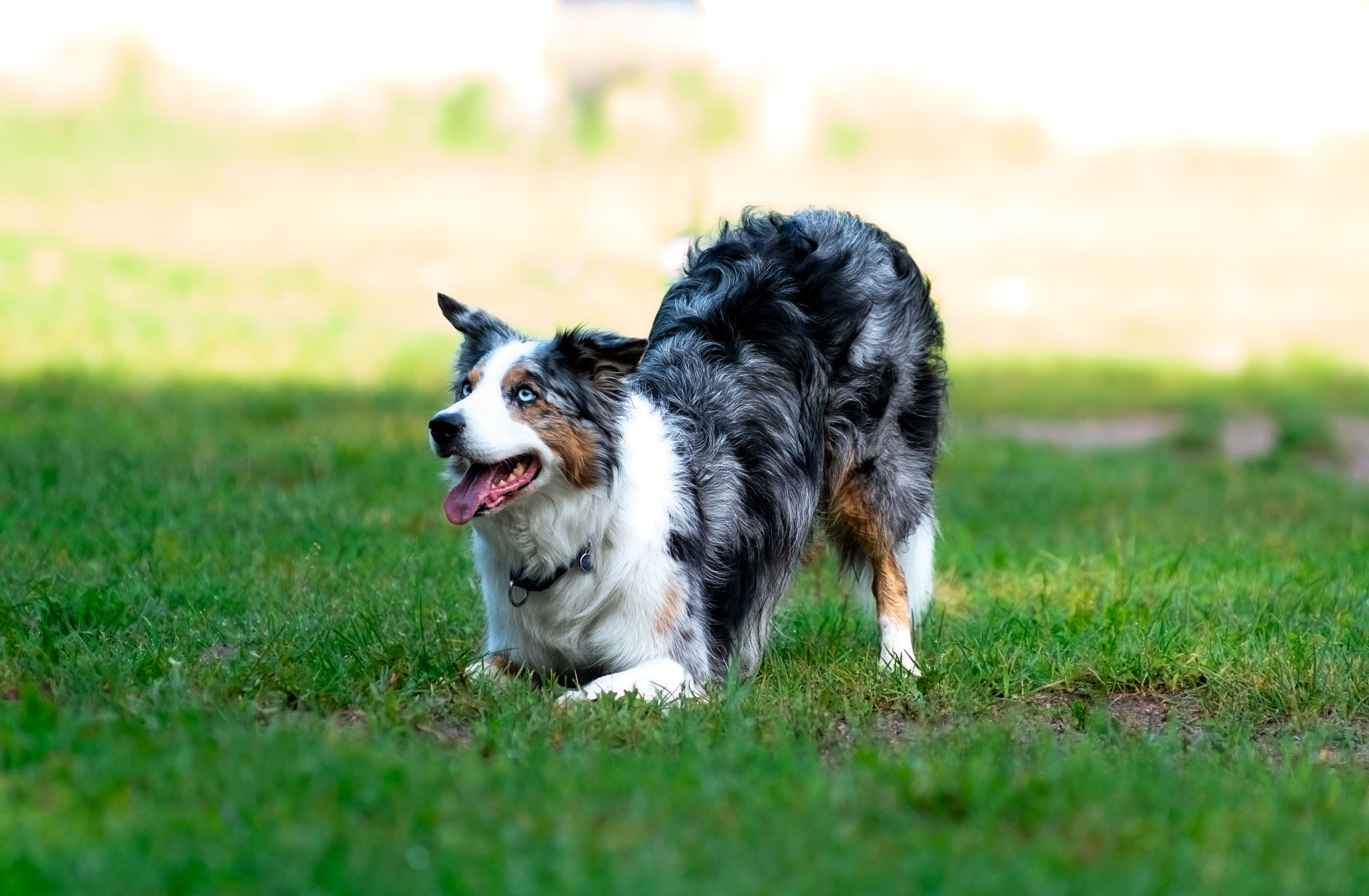
Misconception #1: They Are from Australia
Despite their name, Australian Shepherds are not originally from Australia. They were developed in the United States during the 19th century. The name was derived from the association with Basque shepherds who came to America from Australia.
The Real Origin Story
The breed was refined in the American West, where they became popular for their herding abilities. Their skills were critical to ranchers and farmers across the country.
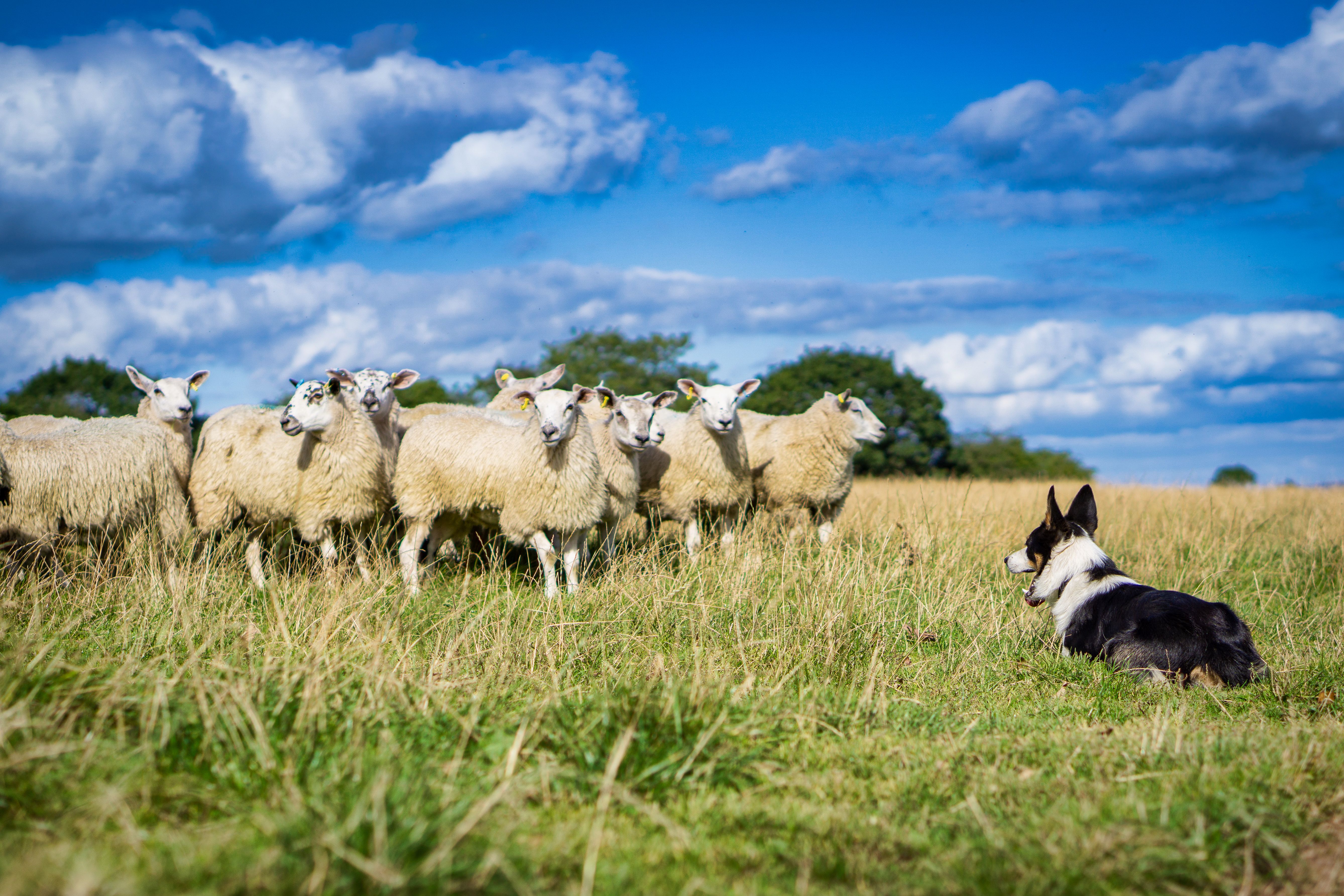
Misconception #2: All Australian Shepherds Have Blue Eyes
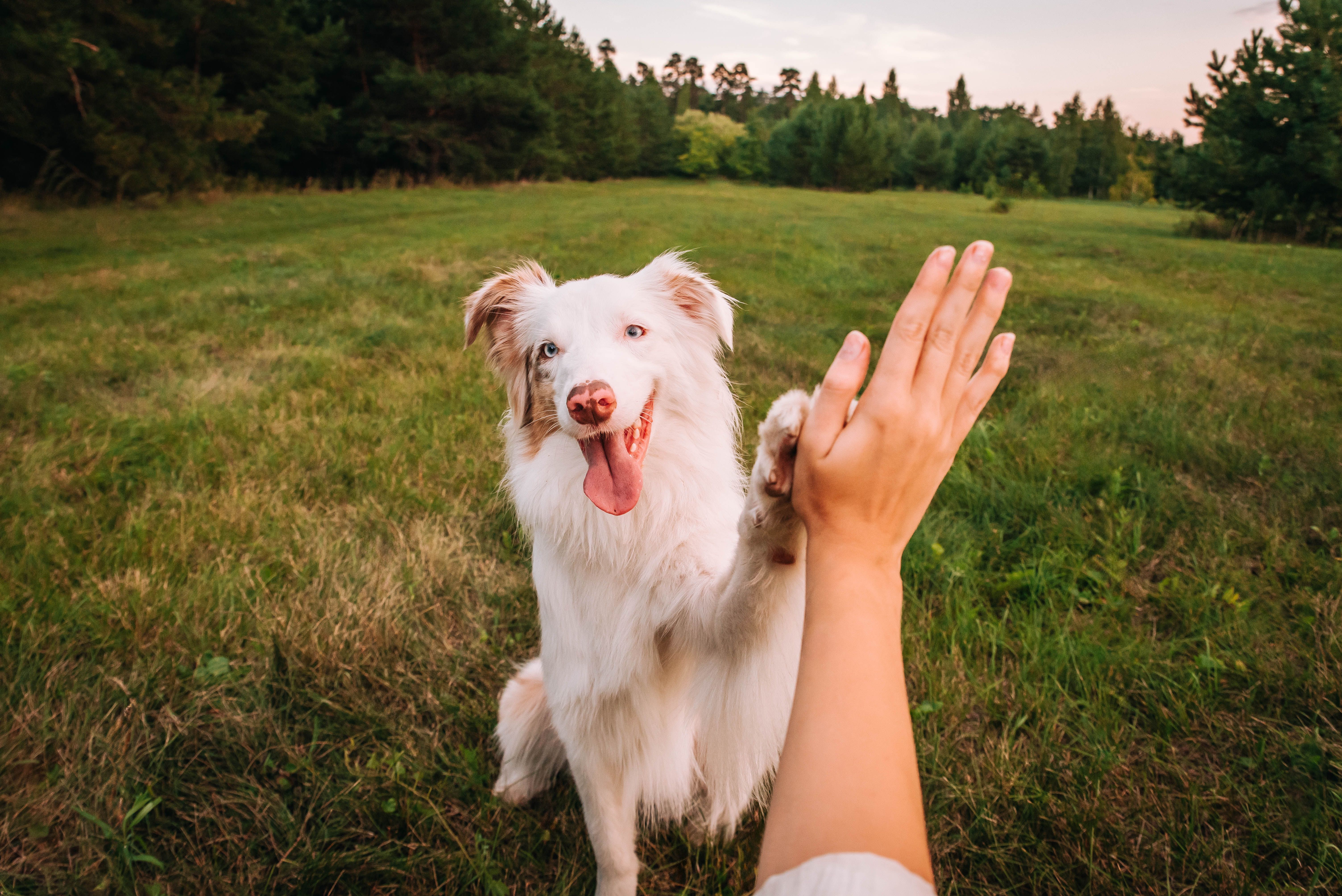
Another common misconception is that all Australian Shepherds have blue eyes. While many do, this breed can have a variety of eye colors, including brown, amber, and even a combination of colors in one eye, known as heterochromia.
Understanding Their Eye Colors
The variety in eye color is due to genetics and is a fascinating aspect of the breed's diversity. This feature adds to their unique and striking appearance.

Misconception #3: They Are Hyperactive
While Australian Shepherds are energetic, labeling them as hyperactive is misleading. They require regular mental and physical stimulation but can be calm and well-behaved with proper training and exercise.
Managing Their Energy
To keep an Australian Shepherd happy, consider activities like agility training, hiking, and interactive games. Meeting their exercise needs helps prevent boredom and destructive behavior.
Conclusion
Understanding the true nature of Australian Shepherds helps in appreciating their unique qualities. They are intelligent, versatile, and loyal companions. By debunking these misconceptions, potential owners can make informed decisions and provide the best environment for these wonderful dogs.