How to Train an Australian Shepherd Puppy at Home: A Comprehensive Guide


Understanding Your Australian Shepherd's Nature
Australian Shepherds are known for their intelligence and energy. This breed thrives on mental stimulation and physical activity. Understanding these traits is essential when starting your training journey. Being naturally curious, they learn quickly but can also get bored easily if not engaged properly.

Creating a Training Schedule
Consistency is key when it comes to training. Establishing a regular schedule helps your puppy know what to expect, which can make training sessions more productive. Aim for short, frequent sessions throughout the day to keep your puppy engaged without overwhelming them.
Basic Commands and Techniques
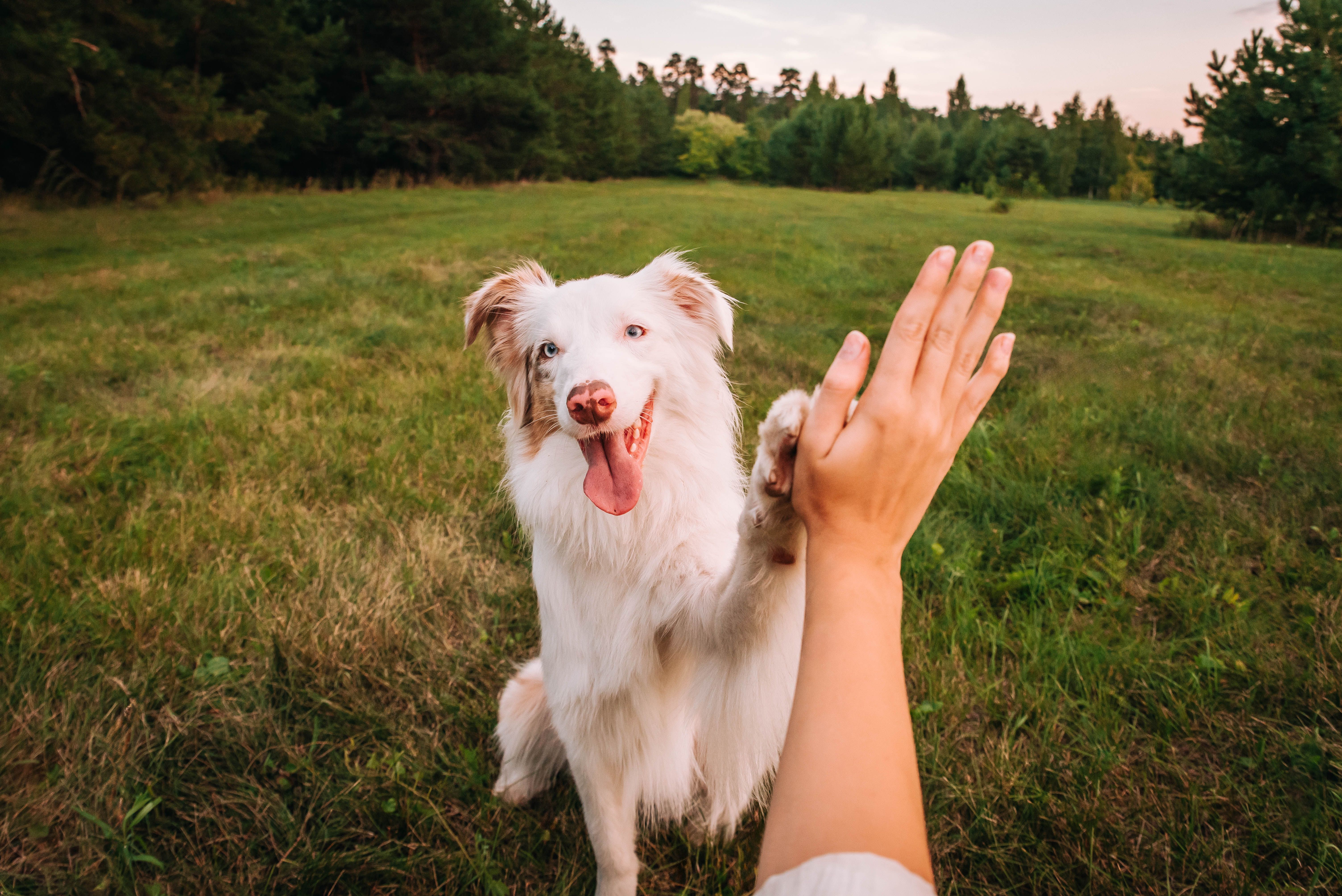
Begin with basic commands such as "sit," "stay," and "come." These form the foundation of good behavior. Use positive reinforcement techniques like treats or praise to reward your pup when they follow commands correctly. This encourages them to repeat the behavior.
Socialization: A Crucial Step
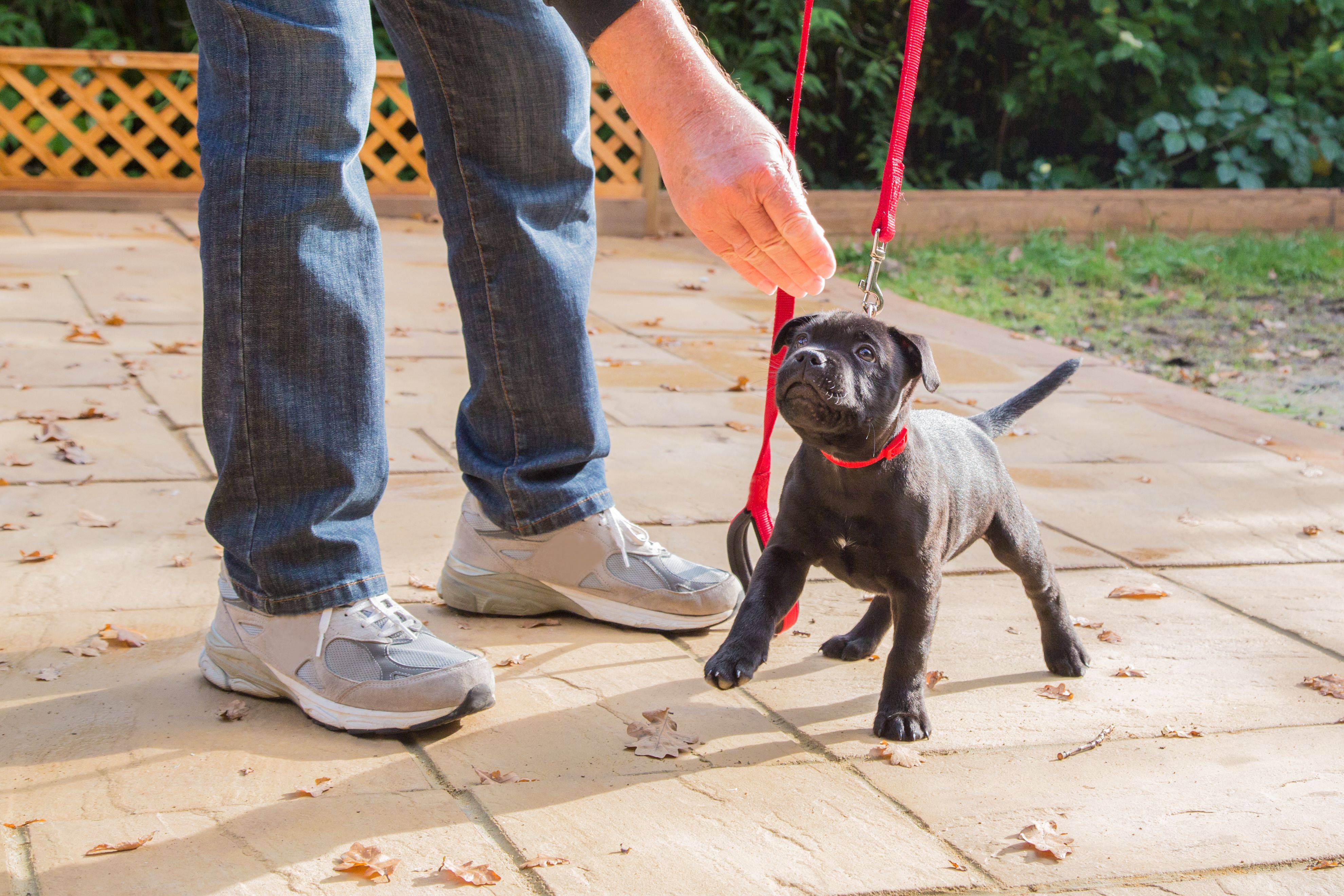
Socialization is crucial for Australian Shepherds. Introduce your puppy to various environments, people, and other animals to help them develop confidence and adaptability. Arrange playdates or short visits to pet-friendly locations to enhance their social skills.
Addressing Behavioral Challenges
Australian Shepherds can be prone to behaviors like herding or excessive barking. Redirect these behaviors with training techniques that focus on channeling their energy positively. For example, if your puppy starts herding family members, teach the "leave it" command to discourage this behavior.
Incorporating Mental Stimulation
Mental exercises are just as important as physical ones. Puzzle toys, agility training, and interactive games are excellent ways to keep your Australian Shepherd mentally stimulated. These activities prevent boredom and reduce the risk of destructive behavior.
Exercise and Physical Activity
Adequate exercise is crucial for this energetic breed. Daily walks, runs, and playtime in a secure area will help burn off excess energy. Remember, a tired puppy is often a well-behaved puppy. Tailor activities to your puppy's age and health to avoid overexertion.
Monitoring Progress and Adjusting Techniques
Every puppy is unique, and progress can vary. Regularly evaluate your training methods and adjust them as needed. If a particular technique isn’t working, try a different approach. Patience and flexibility will lead to successful training outcomes.
Conclusion
Training an Australian Shepherd puppy at home can be a rewarding experience for both you and your pup. With the right approach, patience, and consistency, you'll nurture a well-behaved and happy companion. Remember, the journey of training is as important as the destination, fostering a strong bond between you and your furry friend.